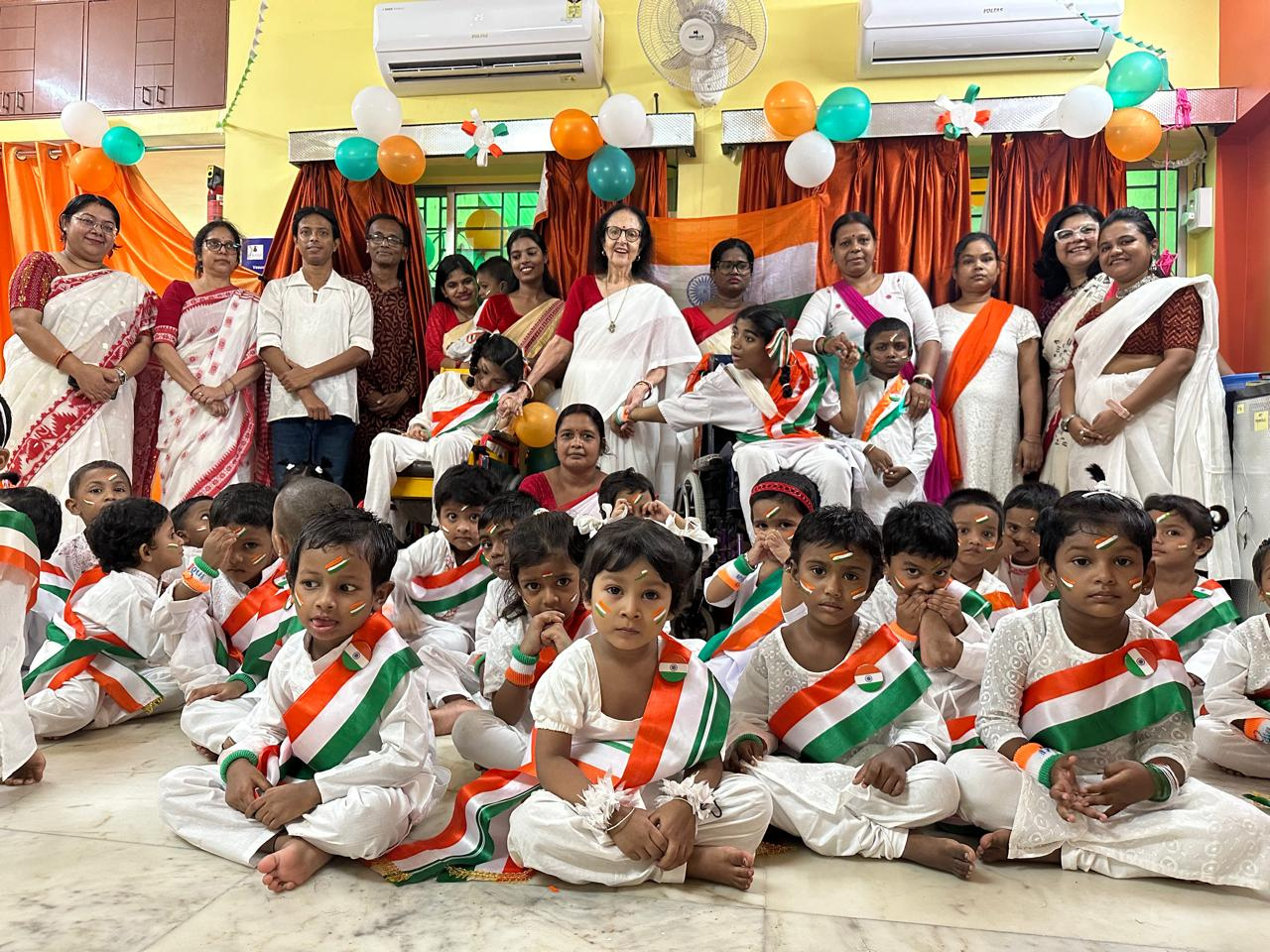
Childlife Preserve Shishur Sevay (CPSS) was founded in 2006 as a family-style, inclusive, small group home for lost and abandoned girls, some with profound disabilities, all of whom had already been rejected by other NGOs and for adoption. They were from government institutions where their care would have ended when they turned 18. Shishur Sevay was founded on 3 questions: 1) Who are these institutionalized girls? 2) What do they need? 3) Can we provide what they need to thrive, not just survive?
Dr. Michelle Harrison envisioned a sanctuary where they could flourish while retaining their mother tongue, cultural, and religious heritage. The home immediately became inclusive as the abled & disabled wanted to be housed together, a pattern that continues even today.
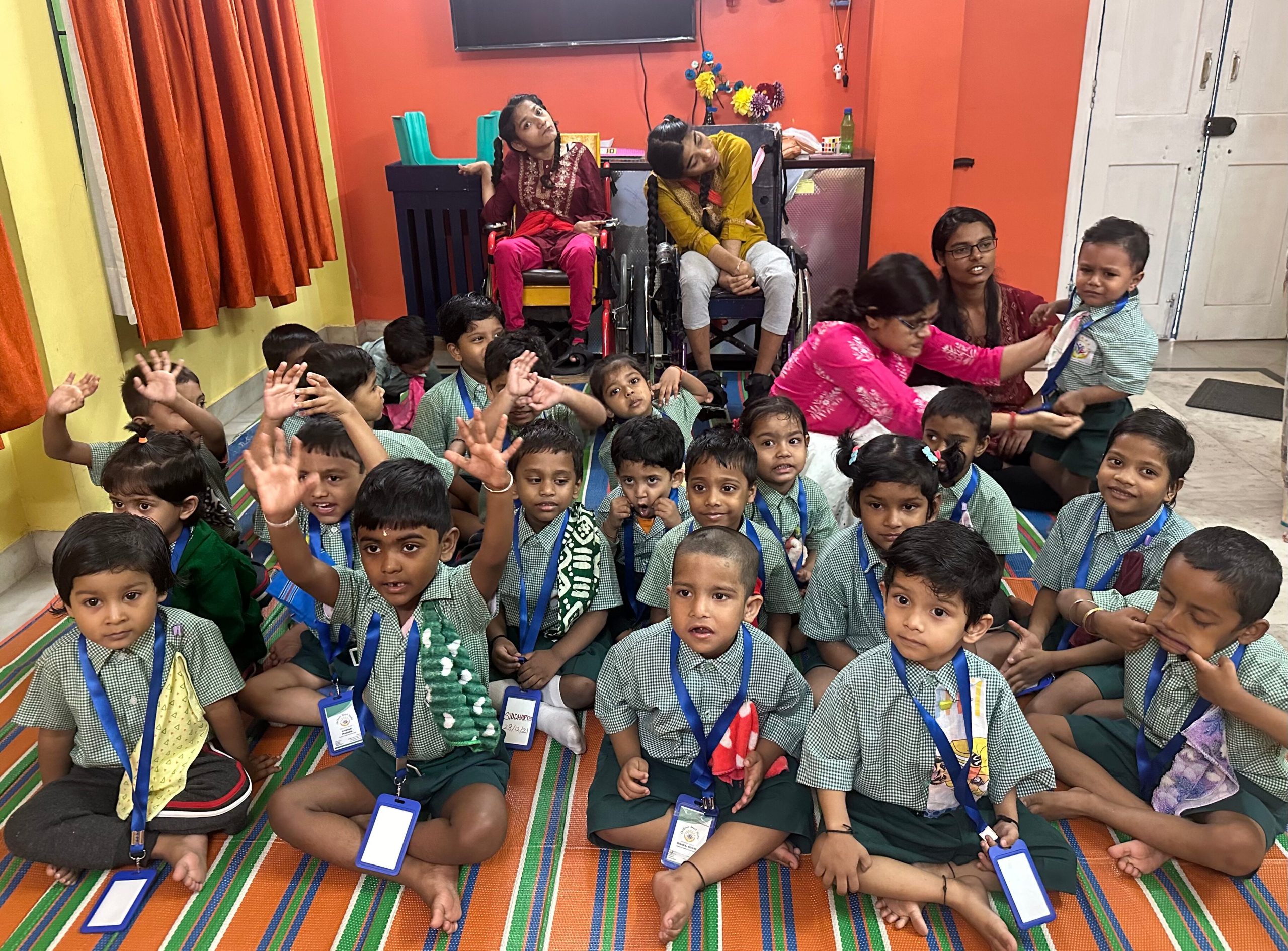
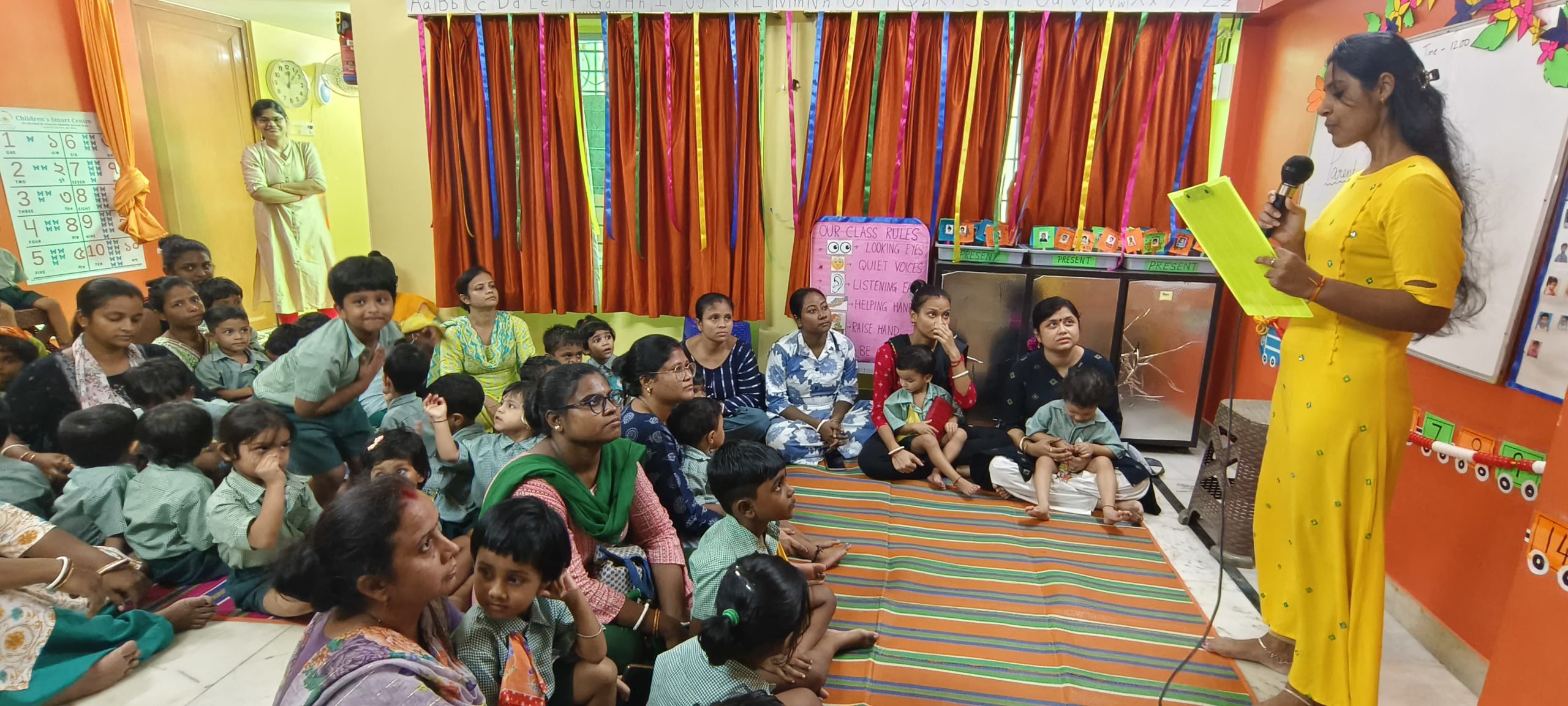
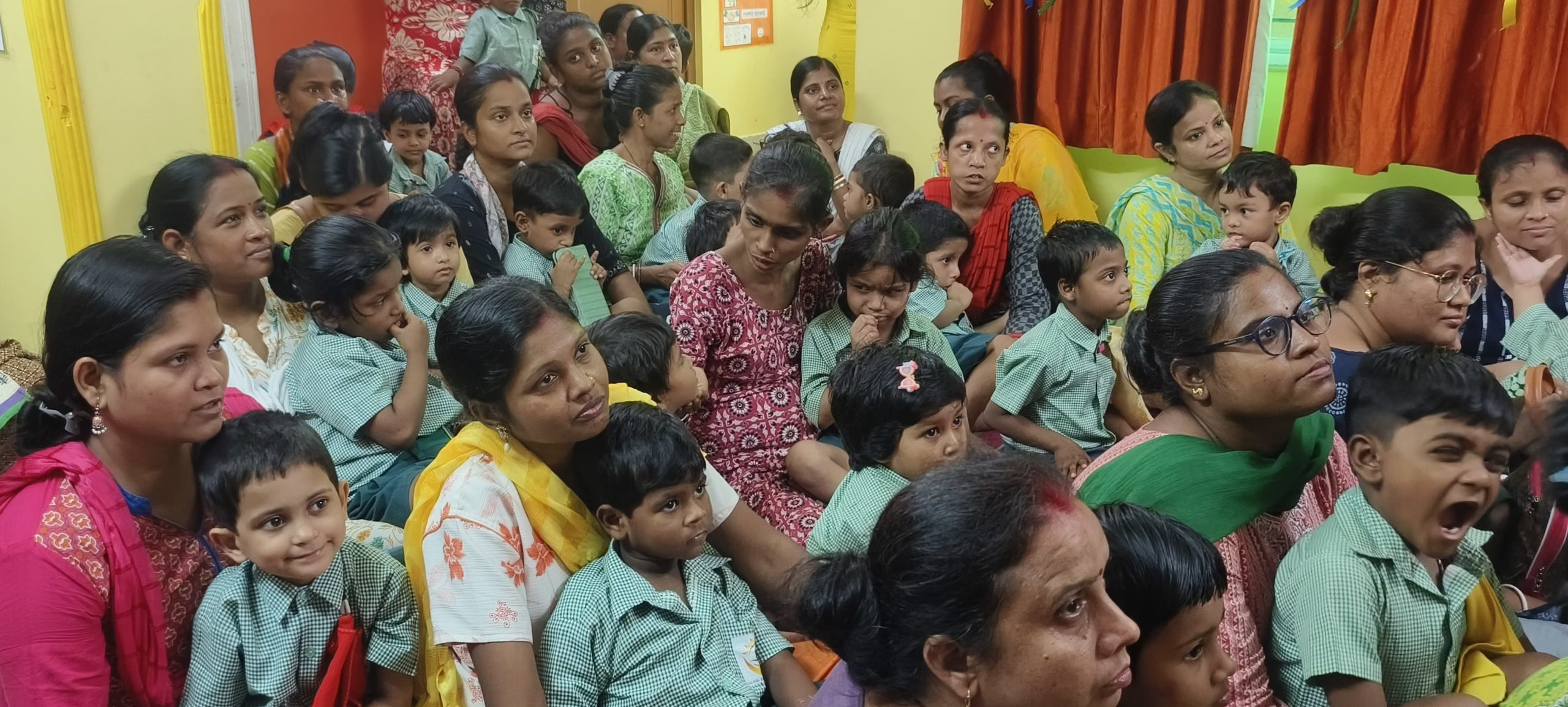
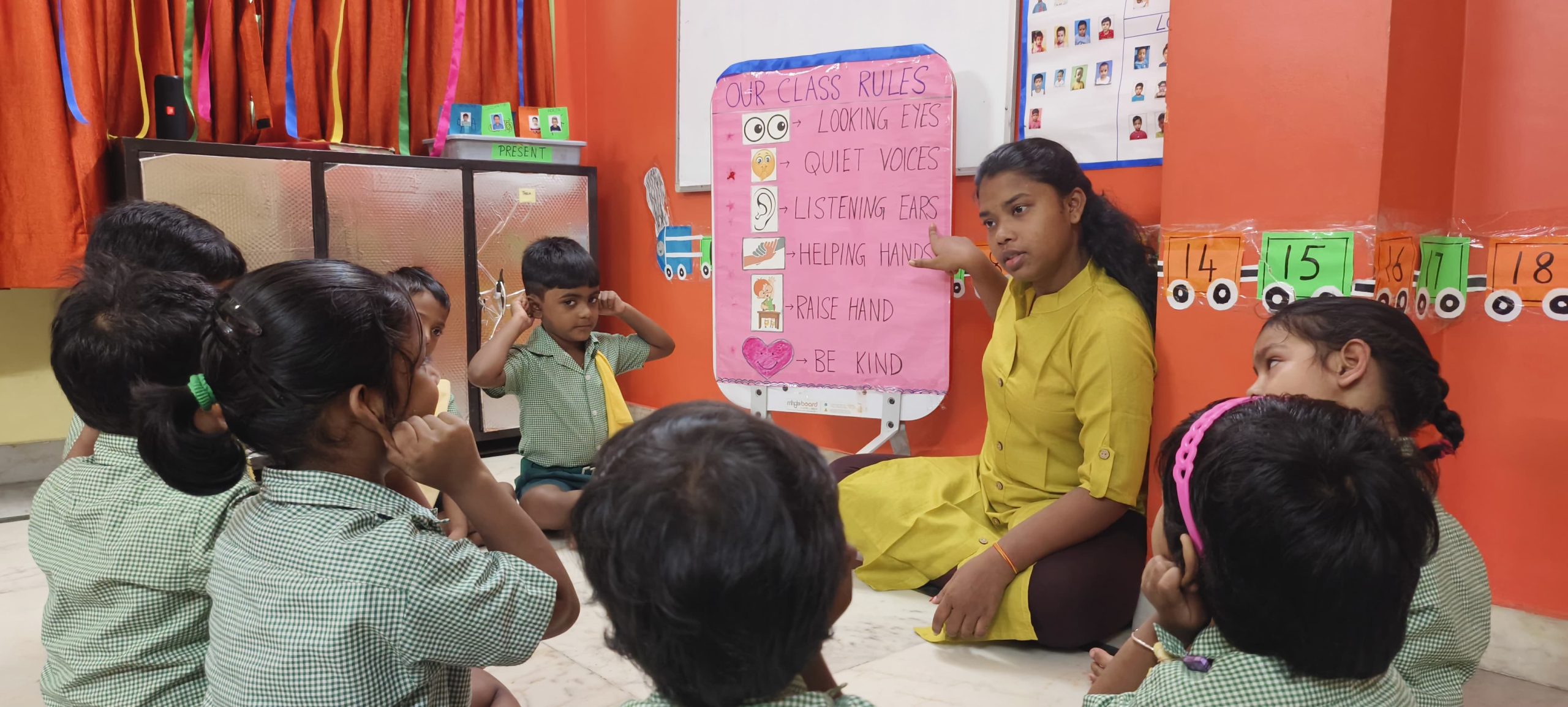
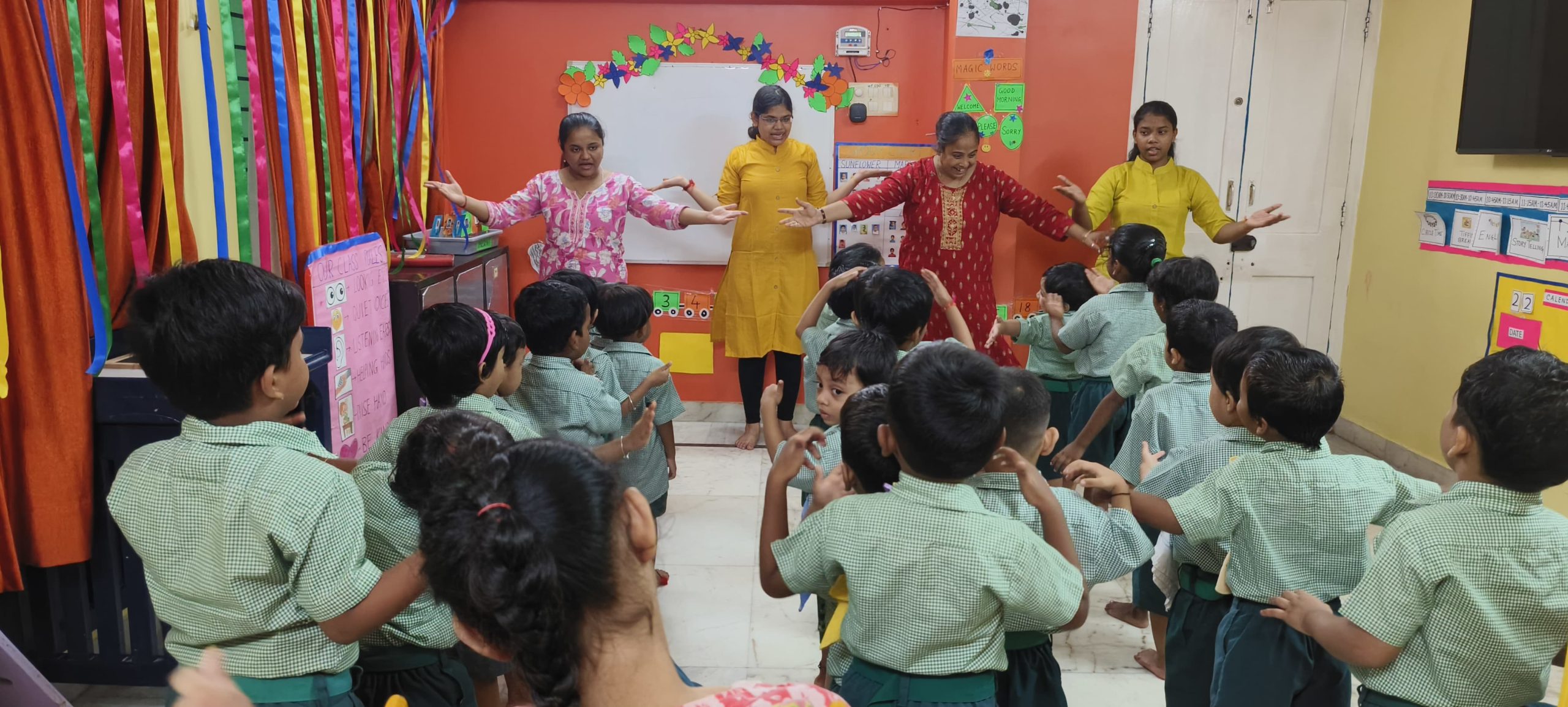
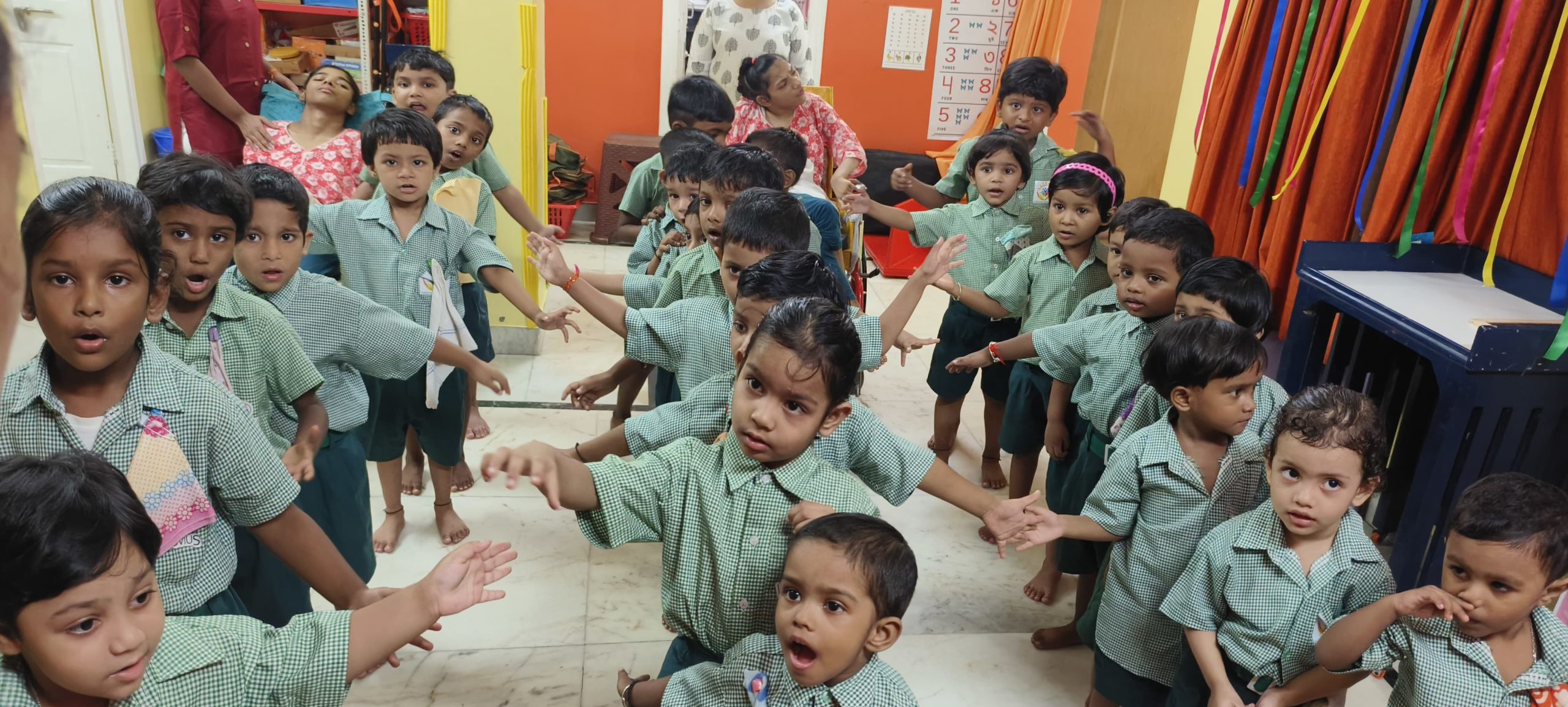
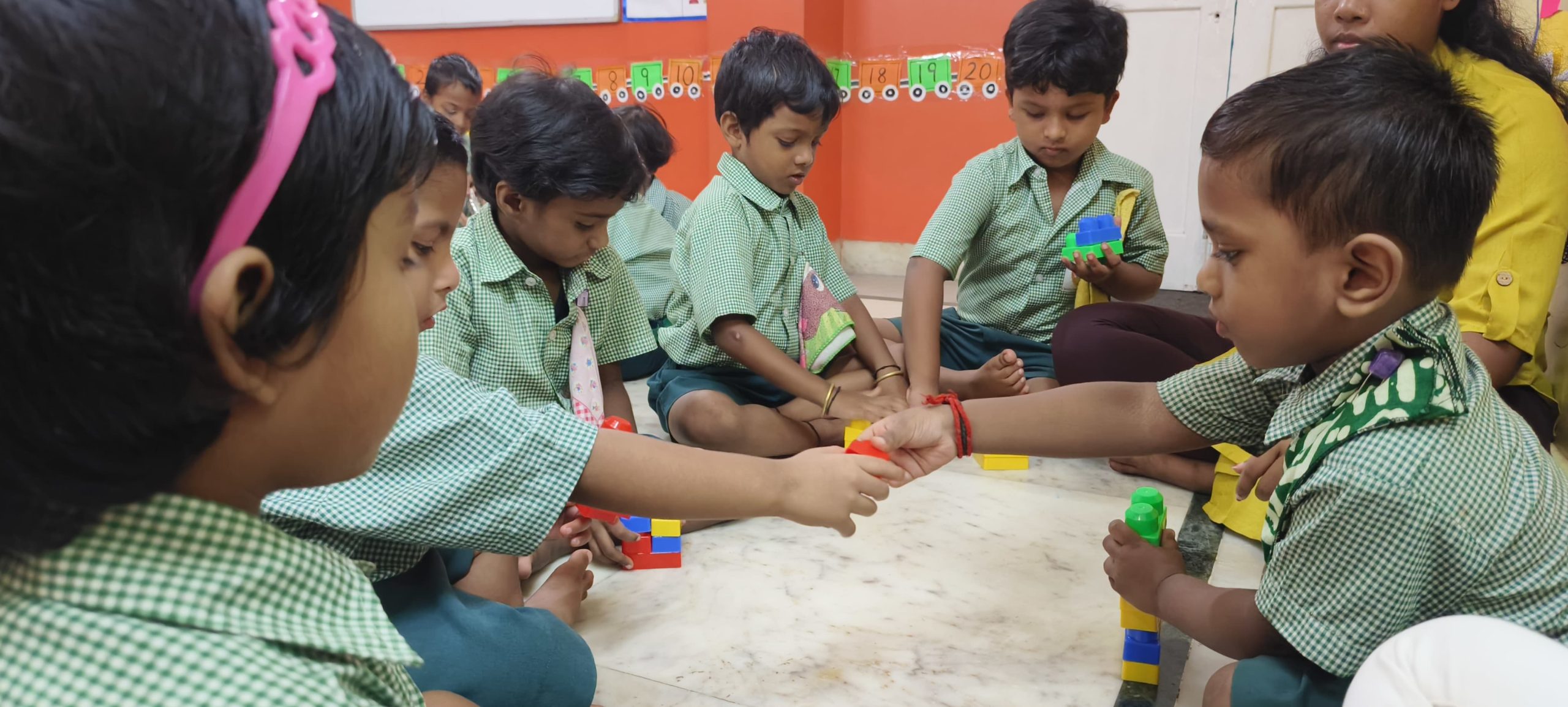
As the girls grew they wanted to pass on to poor children of the community some of the education and care they had received at Shishur Sevay. Their dreams to educate others, overtime became Children's Smart Centre, a free, inclusive playschool for the poor in the community. There they teach, sharing the values of Shishur Sevay. Their goal is to level the playing field, so that the poor children of our community can enter formal schooling, already prepared academically, socially and behavirourally. The success of Children's Smart Centre (CSC) became the reason for us becoming a part of Children's Hope India's (CHI) 30/30 Education Initiative, that aims to "secure wholesome development and holistic growth for children", enabling us to further expand and improve the quality of what we could do for the children and their parents at Children's Smart Centre (CSC).
Our need now is to expand the school. And in order to do that we need to buy the building that we currently rent.
Disability: To Identify – To Improve – To Include
Founded in 2006, Shishur Sevay is a family-style, inclusive, non-institutional home for abandoned girls—both with and without disabilities—who were previously rejected for adoption.
The home provides a nurturing, inclusive environment where children grow together, preserving their cultural, linguistic, and social identity. The model promotes coexistence of abled and disabled children, fostering empathy, inclusion, and mutual care.
Key Objectives
Target Beneficiaries
All beneficiaries are orphaned or abandoned girls living in the Shishur Sevay home.
Expected Impact
Project Location:
Ward No. 118, Kolkata, West Bengal
Help us raise funds for our specific needs.
Disability: To Identify - To Improve - To Include